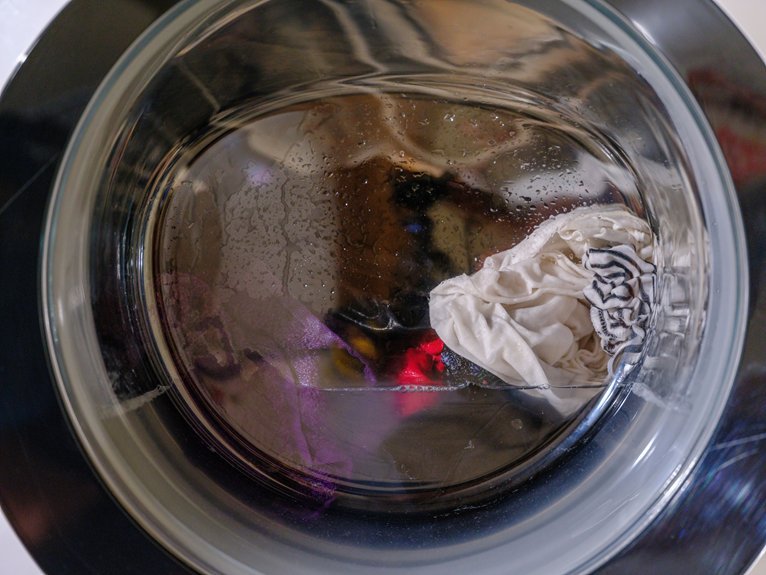
If your washing machine isn’t spinning, it can be frustrating and inconvenient. There are several reasons this might happen, from a simple lid issue to more complex mechanical failures. You might find yourself wondering what the problem is and how to fix it. Understanding the common causes and troubleshooting steps can help you get your machine back in working order. Let’s explore some of the potential reasons behind this issue.
Common Reasons for a Non-Spinning Washer
If your washing machine isn’t spinning, there are several common reasons behind this frustrating issue. First, make sure the lid or door is securely closed; many washers won’t spin if they detect an open lid.
Next, check the load balance; if the clothes are unevenly distributed, the machine might stop spinning to prevent damage.
Another possibility is a worn-out drive belt; if it’s broken or loose, it can’t transfer power effectively.
You might also have a blocked drain hose or pump, preventing proper drainage.
Finally, look into faulty motor couplings or malfunctioning control boards, both of which can disrupt the spinning cycle.
Identifying these issues can help you understand what might be causing your washer to misbehave.
Troubleshooting Steps to Diagnose the Issue
Before diving into repairs, it’s essential to systematically troubleshoot your washing machine to pinpoint the issue. Start by checking the power supply; ensure it’s plugged in and that the circuit breaker hasn’t tripped.
Next, inspect the door latch—if it’s not securely closed, the machine won’t spin.
Verify the load size; an unbalanced load can prevent spinning, so redistribute the clothes evenly.
Look for any debris in the pump filter or drain hose that might be obstructing water flow.
Lastly, listen for unusual noises during operation, which could indicate a mechanical issue.
When to Call a Professional
Knowing when to call a professional can save you time and prevent further damage to your washing machine. If you’ve gone through the troubleshooting steps and your washer still isn’t spinning, it might be time to seek expert help.
Listen for unusual noises or vibrations; if you hear grinding or clunking sounds, don’t ignore them.
If your washer shows error codes that you can’t decipher, a technician can diagnose the issue effectively.
Additionally, if you notice water leaking or if the drum doesn’t move at all, it’s best to let a professional handle it.
Trying to fix complex electrical or mechanical issues without proper training could lead to more significant problems, so don’t hesitate to reach out for assistance when needed.
Preventative Measures for Future Use
To keep your washing machine in top shape and prevent spinning issues in the future, regular maintenance is key. Start by checking and cleaning the lint filter, as clogs can hinder performance.
Always distribute your laundry evenly inside the drum to avoid unbalanced loads, which can stop the spin cycle.
Additionally, inspect the hoses for any signs of wear or blockages and replace them if necessary.
It’s also a good idea to run a monthly cleaning cycle with a washing machine cleaner to eliminate any buildup.
Lastly, avoid overloading the machine; follow the manufacturer’s guidelines for load capacity.
Frequently Asked Questions
Can a Power Outage Affect My Washing Machine’s Spinning Function?
Yes, a power outage can definitely affect your washing machine’s spinning function. When the power goes out, it interrupts the cycle, causing the machine to stop mid-operation, and may require a reset or restart afterward.
How Often Should I Clean My Washing Machine?
You should clean your washing machine every month to prevent odors and buildup. Regular maintenance keeps it running efficiently. Don’t forget to check the detergent drawer and door seals for any residue, too!
Is It Normal for Washing Machines to Vibrate During Spinning?
Yes, it’s normal for washing machines to vibrate during spinning. This vibration often results from the high speed and unbalanced loads. Ensure the machine is level and distribute laundry evenly to minimize excessive movement.
Can Using Too Much Detergent Prevent Spinning?
Yes, using too much detergent can prevent your washing machine from spinning properly. Excess suds can create a foam barrier, making it difficult for the drum to spin. Always follow the manufacturer’s recommendations for detergent usage.
What Types of Fabrics Are Safest to Wash in My Machine?
You can safely wash cotton, polyester, and blends in your machine. Avoid delicate fabrics like silk or wool, as they may get damaged. Always check care labels to ensure proper washing instructions for your items.
Conclusion
If your washing machine isn’t spinning, don’t panic. Start by checking the lid, redistributing the load, and inspecting the drain hose for blockages. If those steps don’t solve the problem, it might be time to call in a professional. To avoid future issues, practice good laundry habits and keep an eye on the machine’s condition. With a little care, you can keep your washer running smoothly and ensure those spin cycles go off without a hitch.