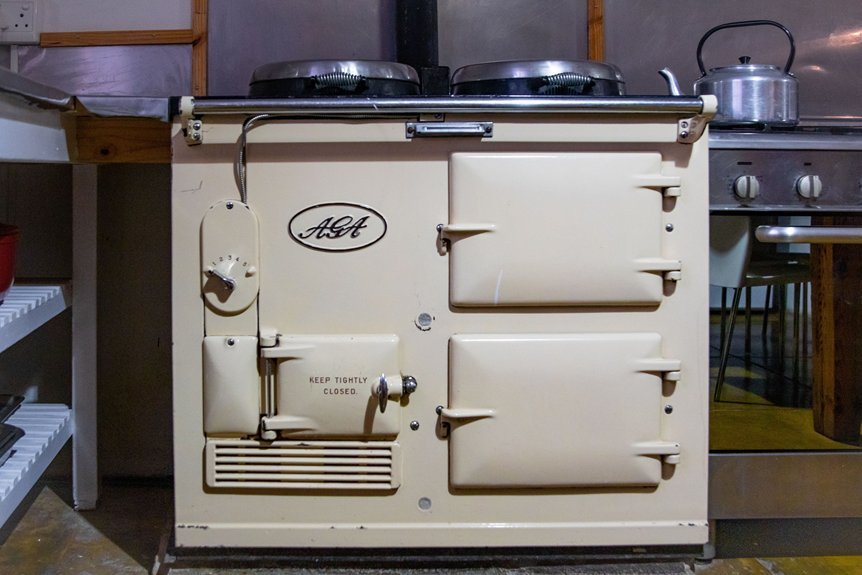
If your oven isn’t heating, it can be frustrating, especially when you’re ready to cook a meal. There are several potential culprits behind this issue, from simple fixes to more complex problems. You might find that a blown fuse or a tripped circuit breaker is the root cause. But before jumping to conclusions, let’s explore what could be going wrong and how to tackle these heating issues effectively.
Common Reasons for Oven Heating Issues
When your oven won’t heat up, it can be frustrating, especially if you’re in the middle of cooking. One common reason could be a blown fuse or tripped circuit breaker. If your oven isn’t getting power, it just won’t heat.
Another possibility is a faulty heating element; if it’s worn out, you’ll notice uneven cooking or no heat at all. Additionally, a malfunctioning thermostat can misread temperatures, preventing your oven from heating properly.
Don’t forget to check if the door is closing tightly, as an open door can disrupt heating. Lastly, if your oven features a self-cleaning function, that might affect its ability to heat until the cycle completes.
Identifying the issue can help you get back to cooking quickly.
Troubleshooting Simple Problems
After identifying potential issues with your oven’s heating, it’s time to troubleshoot simple problems that might be causing the lack of heat.
First, check if the oven is plugged in and the circuit breaker hasn’t tripped. Sometimes, a blown fuse can be the culprit.
Next, inspect the temperature setting; ensure it’s set correctly.
If you’re using a gas oven, confirm that the gas supply is on.
Look for any visible signs of damage, like frayed wires or burnt components.
You might also want to clean the oven’s heating elements, as dirt can affect performance.
Lastly, refer to your user manual for any specific troubleshooting tips related to your oven model.
These steps can often resolve minor heating issues.
When to Call a Professional
If you’ve tried troubleshooting your oven and it still isn’t heating, it might be time to call a professional.
If you’re uncomfortable working with electrical components or gas lines, don’t hesitate to seek help. A licensed technician can safely diagnose and repair issues that may be beyond your skill level.
Signs that you should call for assistance include unusual noises, persistent error codes, or if your oven won’t turn on at all.
Additionally, if you notice smell of gas or burning, it’s crucial to act quickly.
Professionals have the right tools and experience to handle complex problems, ensuring your oven operates efficiently once again.
Preventative Maintenance Tips
To keep your oven in top shape and prevent heating issues, regular maintenance is key. Start by cleaning the oven regularly, removing spills and debris that can affect performance.
Check the door seal for any wear and tear; a tight seal ensures heat stays inside.
Test your oven’s temperature accuracy with an oven thermometer, adjusting as needed for precise cooking.
Make sure the heating elements are clean and free from any obstruction.
Also, inspect the power source; loose or damaged cords can lead to inadequate heating.
Finally, consider scheduling a professional inspection annually to catch potential problems early.
With these simple steps, you can extend your oven’s lifespan and keep it running efficiently.
Frequently Asked Questions
Can a Power Outage Affect My Oven’s Heating Ability?
Yes, a power outage can definitely affect your oven’s heating ability. When the power goes out, your oven won’t function properly, and you might need to reset its settings once power is restored.
How Long Should I Wait Before Troubleshooting My Oven?
You should wait about 10 to 15 minutes before troubleshooting your oven. This gives the system time to reset after any power issues. If it’s still unresponsive, then you can start investigating further.
Do Different Oven Types Have Unique Heating Issues?
Yes, different oven types do have unique heating issues. Electric ovens may face element failures, while gas ovens can have pilot light problems. Understanding these differences helps you troubleshoot effectively and pinpoint the exact issue.
Can Using the Oven Too Frequently Cause Heating Problems?
Yes, using your oven too frequently can lead to heating problems. Overuse may strain components, causing wear and tear, or insufficient heat recovery time. Regular maintenance helps prevent these issues and keeps your oven functioning efficiently.
Is It Safe to Use a Faulty Oven Temporarily?
It’s not safe to use a faulty oven, even temporarily. You risk fire hazards, uneven cooking, or worsening the issue. It’s best to address the problem before using your oven again. Stay safe!
Conclusion
In conclusion, if your oven isn’t heating, start by checking the basics like fuses, circuit breakers, and heating elements. Simple troubleshooting can often resolve the issue, but if you’re still having trouble, don’t hesitate to call a professional. Regular maintenance can help prevent future problems, keeping your oven running smoothly. Stay proactive, and you’ll enjoy hassle-free cooking for years to come!