If your refrigerator isn’t cooling like it should, it can be frustrating. You might notice your food isn’t staying fresh, and that’s a sign something’s off. There are several common reasons for this issue, from dirty condenser coils to faulty thermostats. Understanding these factors can help you pinpoint the problem. So, what could be causing your fridge to lose its cool? Let’s explore the possibilities.
Common Causes of Refrigerator Malfunction
When your refrigerator isn’t cooling, it can be frustrating, but understanding the common causes can help you troubleshoot the issue. One major culprit could be a dirty condenser coil. Dust and debris can block airflow, making it hard for your fridge to stay cool.
Another possibility is a malfunctioning thermostat. If it’s not reading the temperature correctly, your refrigerator mightn’t kick on when it should.
Additionally, check the door seals; if they’re worn out or damaged, cold air might be escaping.
A blocked air vent can also hinder airflow, causing cooling problems.
Lastly, ensure that the appliance isn’t overloaded, as this can restrict proper air circulation and lead to higher temperatures inside.
How to Diagnose Cooling Issues
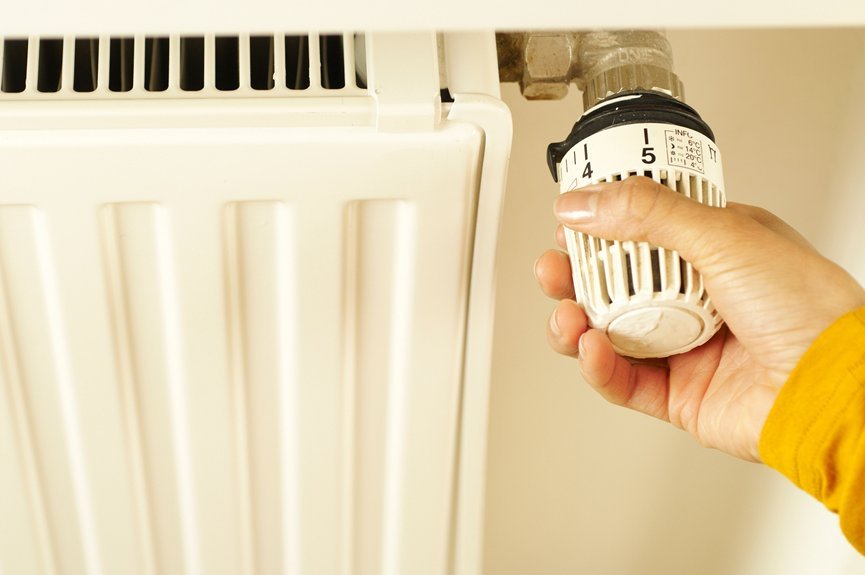
If your refrigerator isn’t cooling properly, diagnosing the issue can save you time and money. Start by checking the thermostat settings to ensure they’re set correctly.
Next, listen for the sound of the compressor; if it’s not running, that could indicate a problem.
Inspect the door seals for any gaps that might let cold air escape.
Make sure the vents inside aren’t blocked by food items, as proper airflow is crucial for cooling.
Additionally, examine the condenser coils for dirt or dust buildup, which can hinder cooling efficiency.
Lastly, monitor the temperature inside with a thermometer to confirm it’s within the recommended range.
These steps will help you pinpoint the issue before seeking professional help.
Simple Fixes You Can Try
Before calling a technician, there are several simple fixes you can try to get your refrigerator cooling again. First, check the thermostat settings to ensure they’re set correctly. Sometimes, it’s as simple as turning the dial up a notch.
Next, inspect the door seals for any gaps or damage; clean them if they’re dirty. Make sure nothing is blocking the vents inside, as airflow is crucial.
Also, take a look at the condenser coils; if they’re dirty, clean them with a vacuum or brush.
Lastly, give your fridge some time to stabilize after adjustments.
If you’ve tried these steps and your refrigerator still isn’t cooling, it might be time to consider professional help.
When to Call a Professional
While you may have tried several DIY fixes, there comes a point when calling a professional is your best option. If your refrigerator still isn’t cooling after checking the basics—like the power supply and temperature settings—it’s time to seek expert help.
Strange noises, leaks, or a burnt smell are signs that something’s seriously wrong. Additionally, if you’ve attempted repairs but the issue persists, don’t hesitate to reach out to a technician.
They’ve the tools and expertise to diagnose and fix complex problems, like compressor or evaporator issues. Remember, it’s better to invest in professional service than to risk further damage or a costly replacement.
Trust the experts to restore your refrigerator’s functionality.
Frequently Asked Questions
Can a Dirty Condenser Coil Affect Cooling Efficiency?
Yes, a dirty condenser coil can significantly affect cooling efficiency. When dust and debris accumulate, it restricts airflow, causing the refrigerator to work harder and potentially leading to inadequate cooling. Regular cleaning helps maintain optimal performance.
How Long Does It Take for a Refrigerator to Cool Down?
It usually takes your refrigerator about 4 to 6 hours to cool down after you first plug it in or when you’ve stocked it with warm food. Give it time to reach the optimal temperature.
Is It Normal for Refrigerators to Make Noise While Cooling?
Yes, it’s normal for refrigerators to make noise while cooling. You might hear humming, clicking, or whirring sounds as the compressor and fans operate. These noises indicate your fridge is working properly to maintain temperature.
Can Overloading the Fridge Cause Cooling Problems?
Yes, overloading your fridge can cause cooling problems. When it’s packed too tightly, air circulation gets restricted, preventing efficient cooling. Ensure you leave space for air to flow freely between items for optimal performance.
What Temperature Should My Refrigerator Be Set At?
You should set your refrigerator temperature between 35°F and 38°F. This range keeps your food fresh while preventing spoilage. Regularly check the temperature to ensure it stays within this optimal range for best results.
Conclusion
In conclusion, if your refrigerator isn’t cooling, don’t panic. Start by checking for common issues like dirty condenser coils or worn door seals. You can easily diagnose and fix some problems yourself, like clearing air vents or adjusting the thermostat. However, if you’re still struggling with cooling issues after trying these fixes, it’s time to call a professional. They can help pinpoint and resolve more complex problems, ensuring your fridge runs smoothly again.